Custom T-Shirts in Barcelona and Madrid

Need printed T-shirts? Contact us!
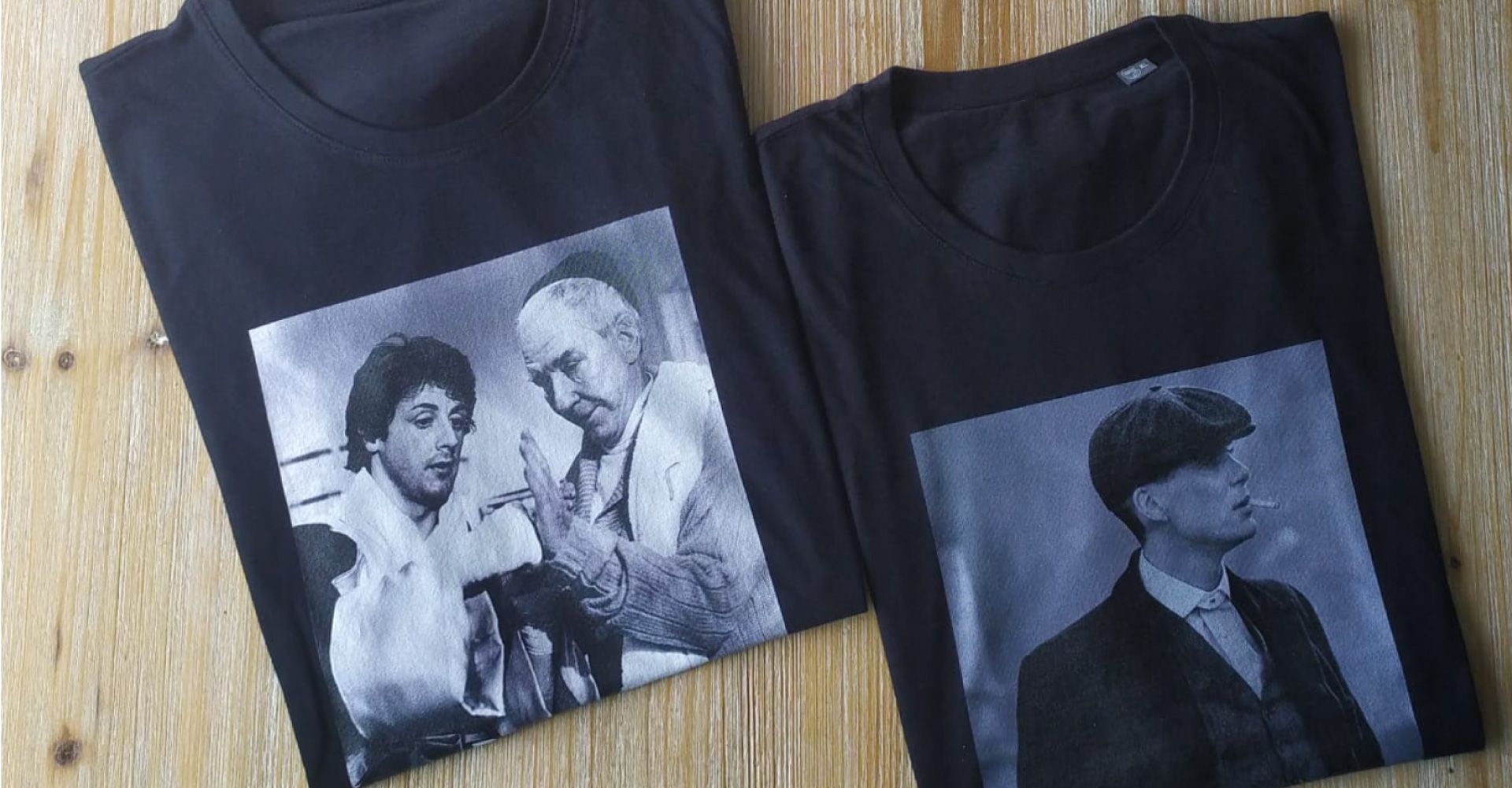
Impresión digital en camisetas en barcelona, madrid con envíos a todo europa


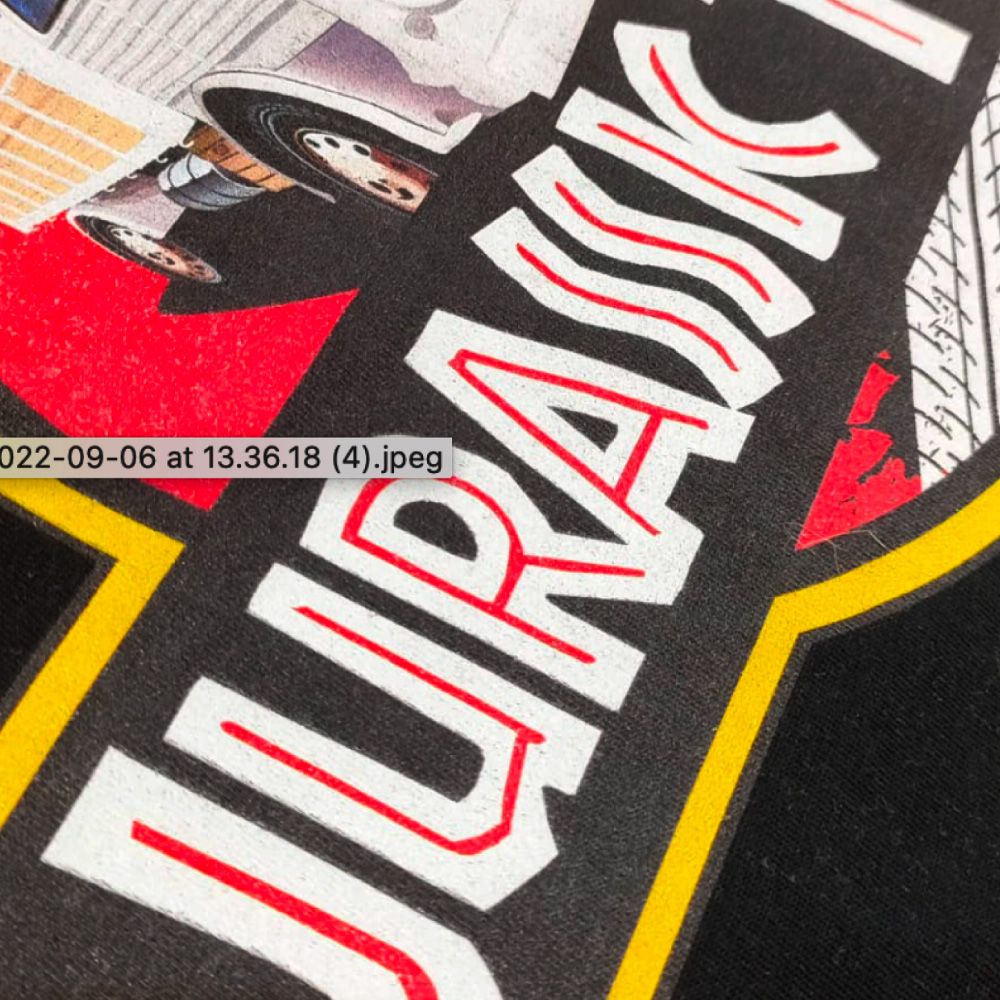
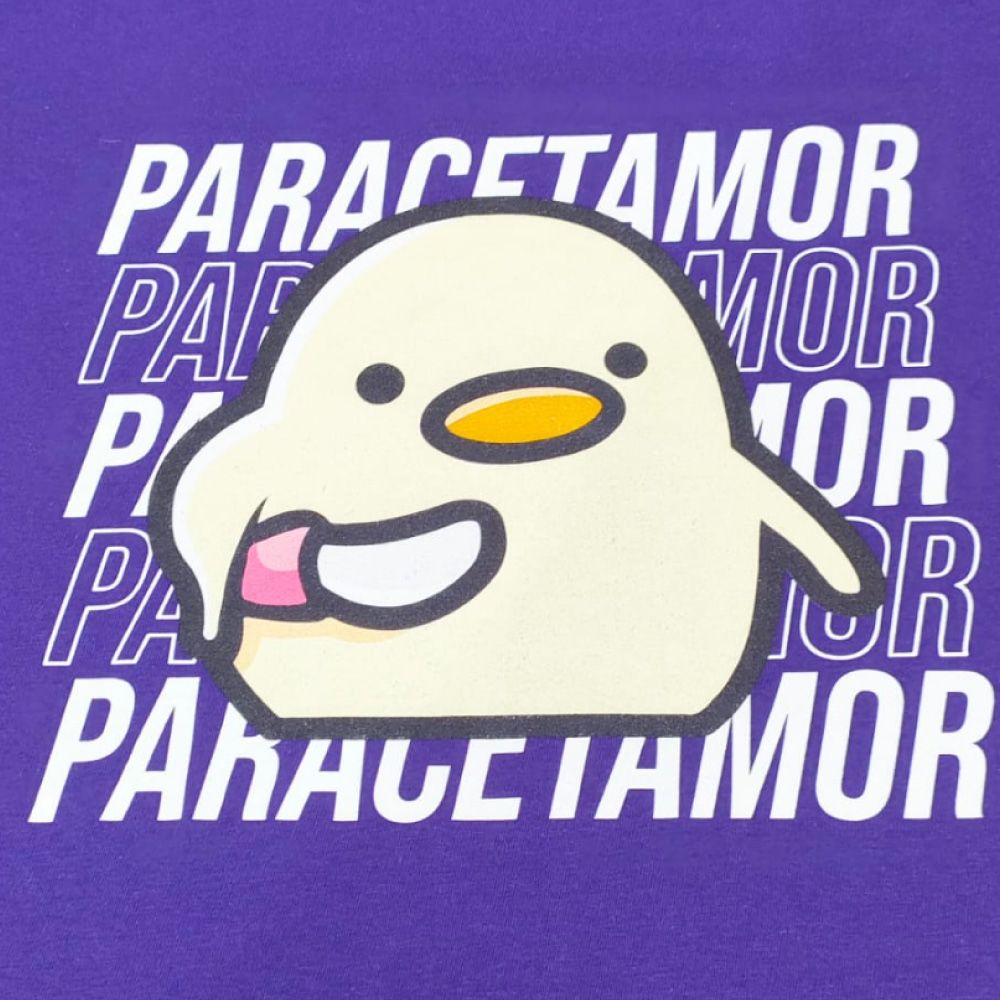
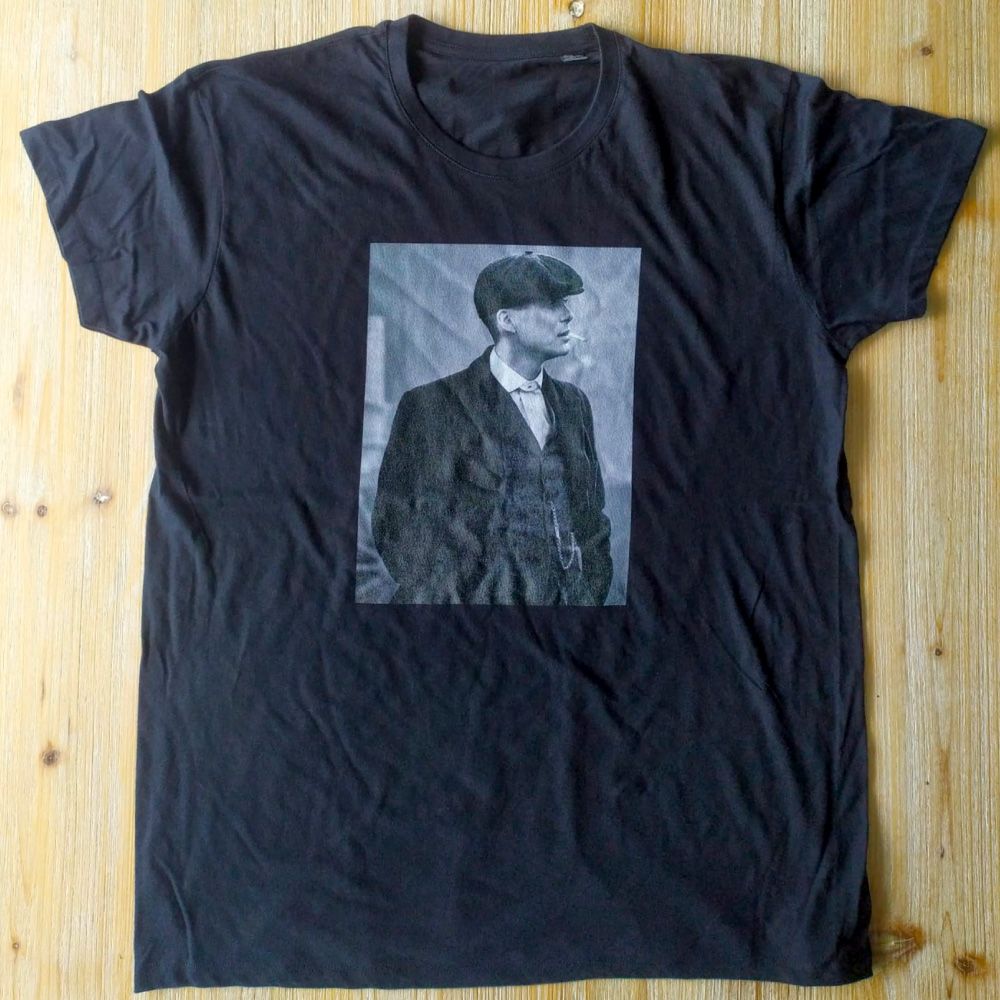
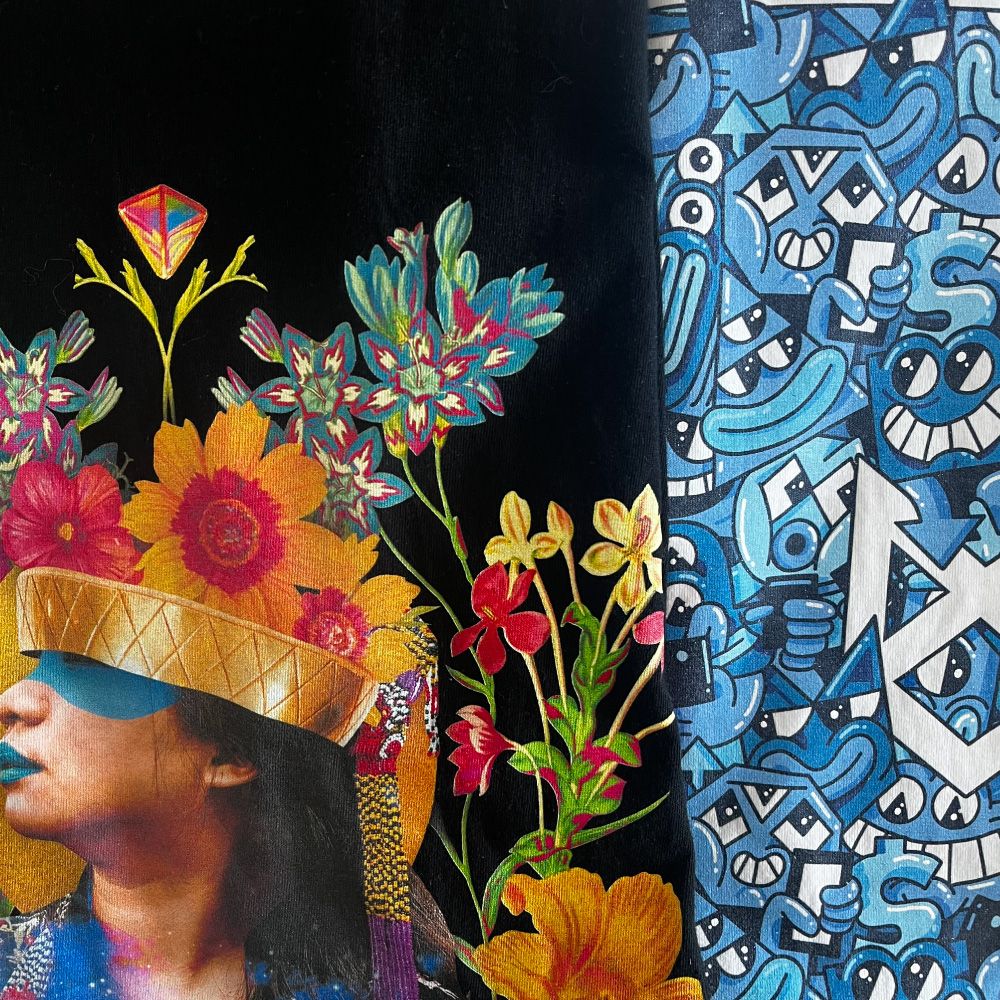
Digital printing, or DTG (Direct-to-Garment), is a technique for printing images directly onto clothing—including T-shirts, polo shirts, sweatshirts, and bags—using a textile printer with specialized print heads that apply water-based CMYK inks. At TEXTILO, we use eco-friendly inks. This method is ideal for complex designs, photographs, or full-color images where detailed reproduction is key.

When should you use digital printing? We recommend it for orders of fewer than 80 identical garments or T-shirts with a design that has no color limitations. Since this isn’t a low-cost technique, it’s the best option for small orders, as it avoids fixed setup costs.

Features of our printed T-shirts:

  • No color limit. Unlimited colors and optimal resolution.
  • Fast. No screens or photolithographs need to be created, so it’s extremely fast for small quantities.
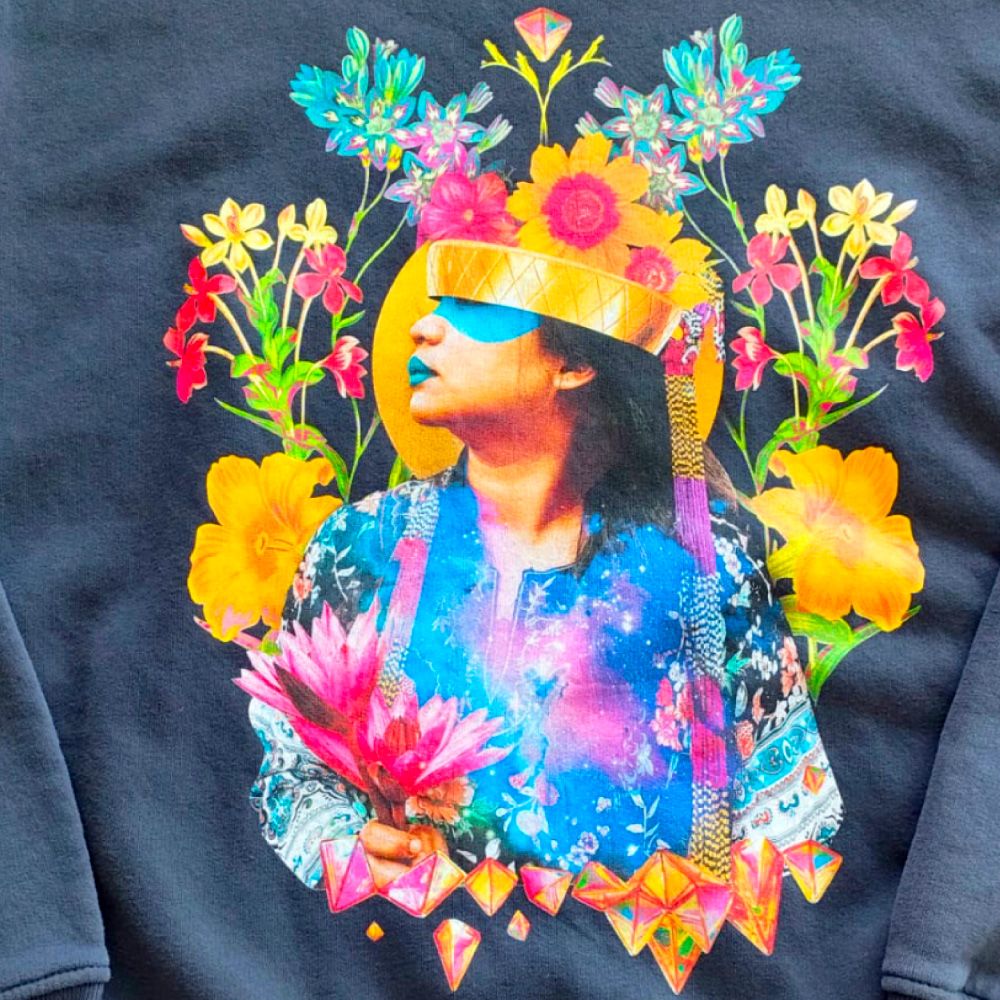
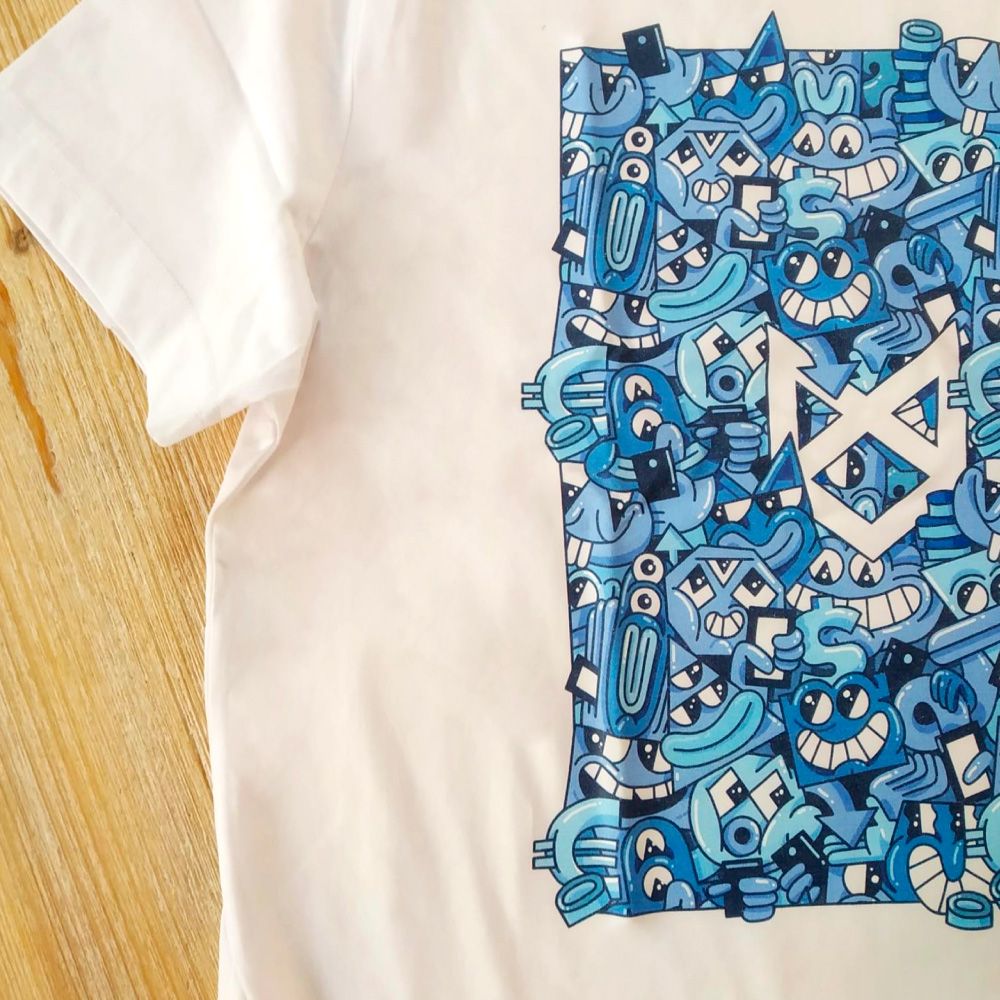
  • Definition. It allows for the detailed reproduction of images, photographs, or complex designs with photographic quality.
  • Ink quality and feel. The ink doesn’t stand out from the garment; it’s fine (especially on white garments), lightweight, and durable.
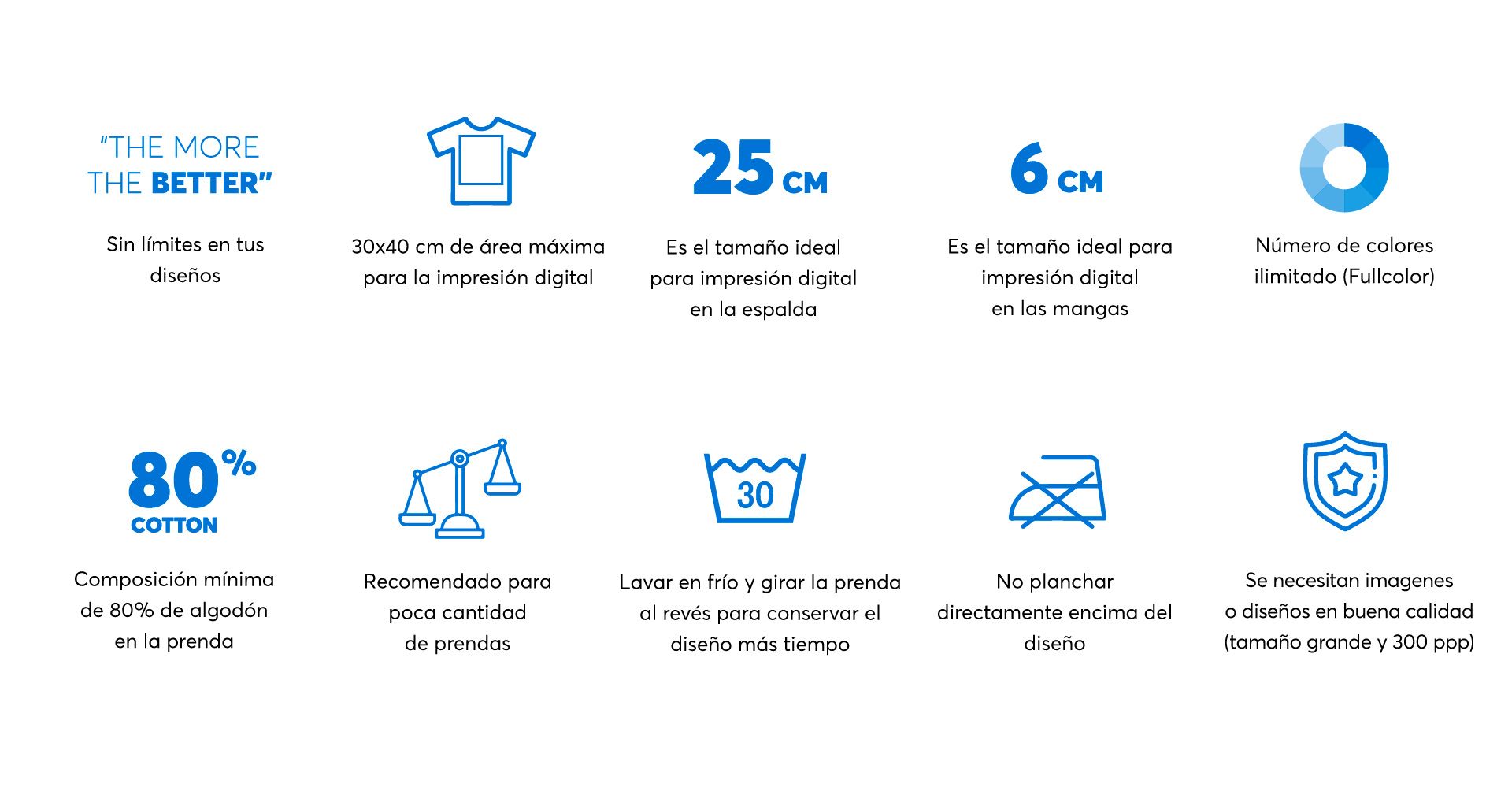
  • Material. Not all garments can be printed on; they must be at least 80% cotton.

I want T-shirtsI want T-shirts

How do I place an order with Textilo?

Customize over 2,500 products with your company logo

contacto, rellena el formulario de textilo

Contact

1. Fill out the form

propuesta, revisa los montajes y la oferta que te hemos enviado

Proposal

2. Review designs and quote

aprobación, confirmanos el pedido para poder dar luz verde en producción

Approval

3. Confirmation and production

envío, podemos almacenar tus packs o enviarlos a cualquier parte del mundo

Shipping

4. Store or ship worldwide


Request a QuoteRequest a Quote

Companies that boost their brand with Textilo

More than 500 companies trust us

Logo de Glovo
Logo de Payflow
Logo de Verse

Logo de Thefork
Logo de Getir
Logo de Damm

Tips for Successful Printing

At TEXTILO, we go the extra mile and will advise you on the best approach based on the type of garment, placement, and design for your digital print. It’s extremely important to choose the right garments for digital printing that meet the customer’s needs, since the quality of the digital print will vary depending on the garment’s fabric composition, weight, and characteristics. which is why we always recommend using garments made of at least 80% cotton for digital printing. The placement of the digital print is also a key factor due to the elasticity the garment may have in that area. Printing on the chest of a polo shirt is not the same as printing on the back or sleeve—it all depends on the size and complexity of the design you want to create.

Your custom T-shirts, wherever you need them.

At TEXTILO, we’re always here to help you with whatever you need and answer any questions you may have, so don’t hesitate to contact us so we can recommend the best way to create your digital print.

I want T-shirtsI want T-shirts

Printed T-shirts for your business

DTG on T-shirts

Direct-to-Garment (DTG) printing can be done on T-shirts, sweatshirts, polo shirts, and canvas bags that are at least 80% cotton. These four categories make up nearly 95% of the orders we receive for digital textile printing. We typically print on 100% cotton garments or those made from an 80% cotton/20% polyester blend.
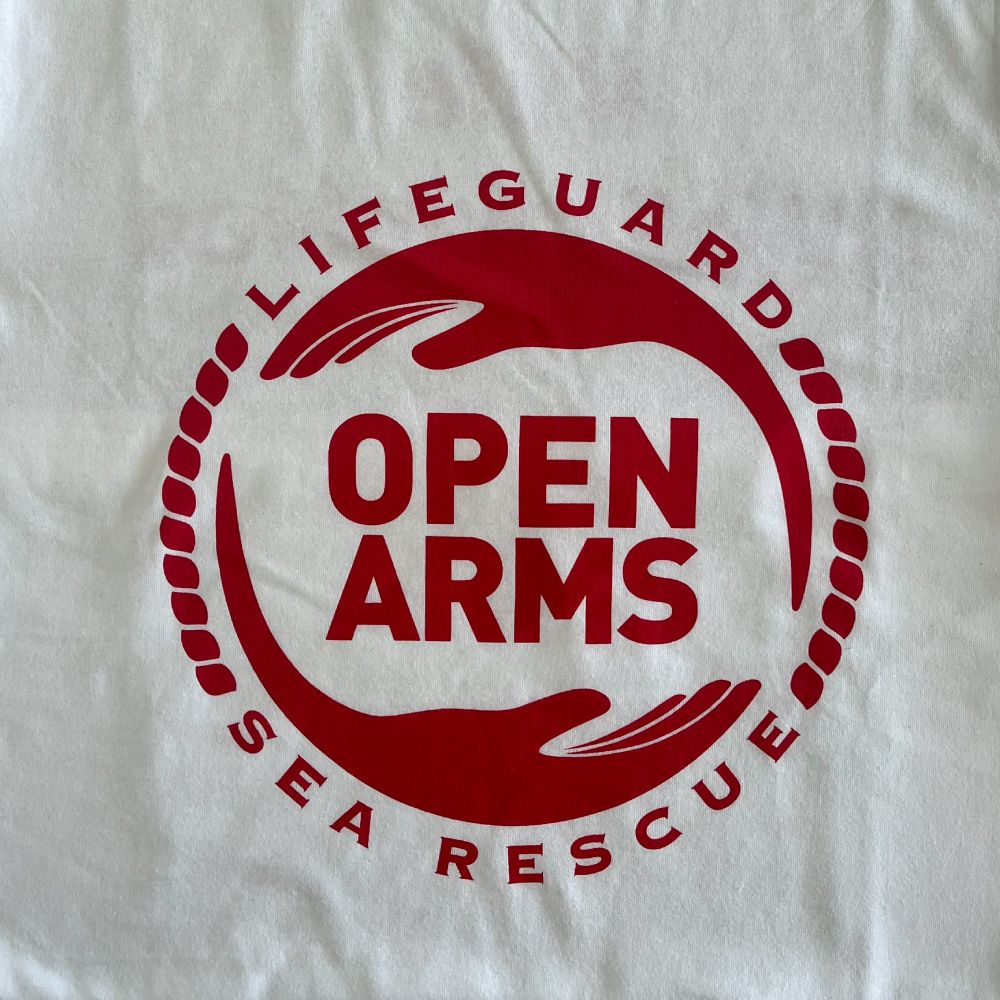
An important detail to keep in mind is that we cannot print on 100% polyester fabrics, as the ink would repel or run off during washing (polyester garments are usually “sublimated”). We usually print on 100% cotton fabrics, although we are now increasingly printing on 100% organic or eco-friendly cotton fabrics.

camisetas impresas personalizadas
camisetas impresas

DTG Durability

Ink manufacturers state that a properly executed print should withstand between 25 and 50 washes, depending, of course, on how the garment is cared for and used.

To test the resistance and durability of our prints, at TEXTILO we conduct a test called “RDL” (Resistance, Durability, and Wash Test) on every garment we offer as “printable,” as we say in the workshop.

This involves performing a series of print tests on each garment to determine whether it is printable and to calibrate the machine correctly to achieve an ideal finish.

To perform this test and approve a garment for our digital printing service, we conduct tests to adjust the fixative used, perform color calibration tests, and wash the garments five times in a row at 30°C with concentrated detergent for a full hour; Between each wash, the garments are dried in an industrial dryer, and once they come out, the process is repeated four more times. This test simulates about six months of intensive use of the garment.

Once the wash cycles are complete, the condition of the print and the T-shirt is checked to draw conclusions. Only if everything is OK is a technical data sheet generated with the “magic formula”—the specific parameters needed to reproduce a correct digital print on that garment and thereby meet our quality standard.

Color in DTG

It is very important to us that the color of the design printed on the T-shirt, sweatshirt, polo shirt, or bag matches the customer’s expectations and complies with the corporate color guide.

To achieve this, it is essential that the file to be printed be of the highest possible quality and have a high resolution of between 300–500 dpi. We typically work with .png files with a transparent background at 300 dpi in sRGB. Some designs are simple enough that color separation can be performed if necessary, while others—such as photos, gradients, or designs with many colors—cannot.

Therefore, once the file is loaded into the machine’s software, the machine converts those colors to CMYK. It does this because the machine prints like an office printer—that is, by mixing percentages of inks that, when combined, create the desired color. These colors are Cyan, Magenta, Yellow, Black, and White. 

The printed bags look absolutely amazing! Now, thanks to this technology, you can produce small runs with full-color designs.

impresion digital camisetas

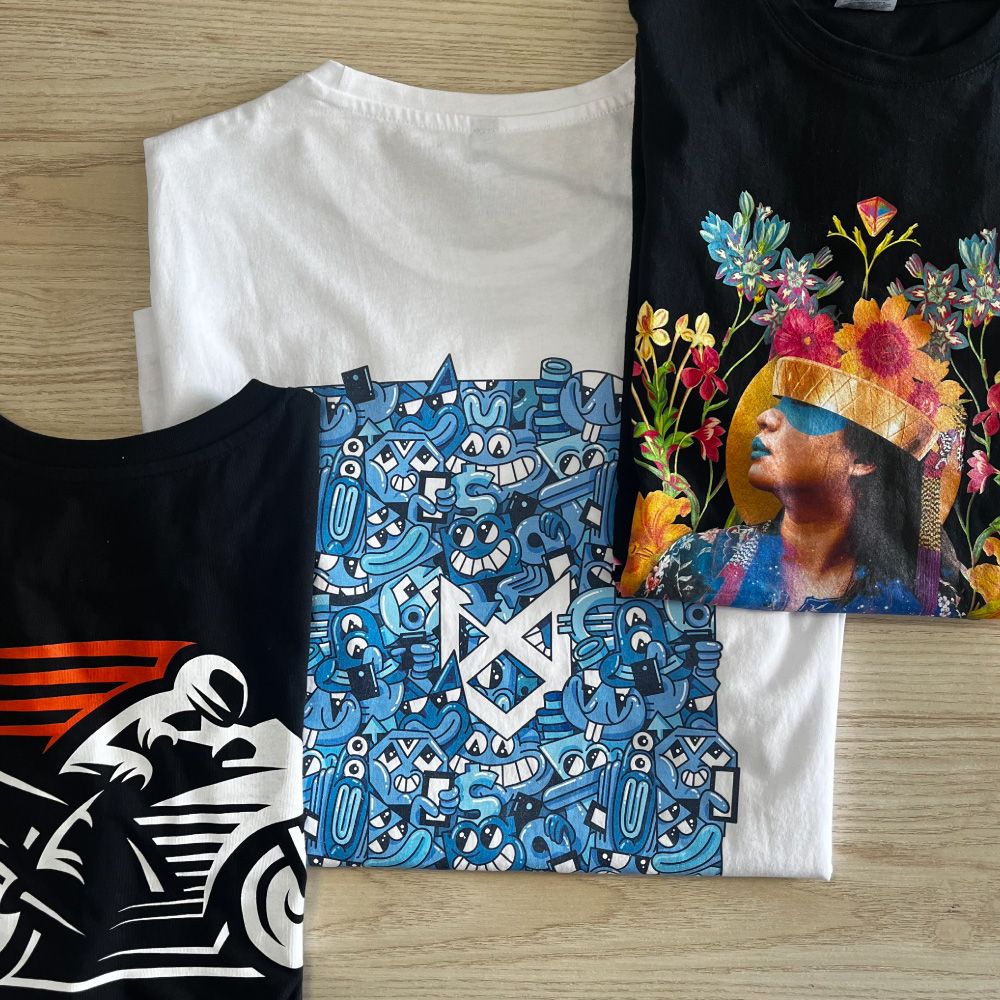
Examples of printed T-shirts

Learn about the digital printing process

Hello! If you’re looking for an effective way to promote your business or brand, printing custom apparel is an excellent option. Clothing printing has become a popular and accessible technique for customizing garments, and businesses can use it to create uniforms for their employees, promotional items to give to customers, or to sell products under their own brand.

As for the printing process, there are several techniques that can be used, but in general, a similar process is followed. First, you must select the garment you want to customize and the quantity you need. Next, you choose the design to be printed on the garment, which can be a logo, a message, or an image.

Once the design is ready, the garment is prepared for printing. This may include washing and drying the garment to ensure there are no residues that could affect the print quality.

After preparing the garment, the actual printing takes place. The most common techniques include screen printing, transfer printing, and digital printing. Each technique has its own advantages and disadvantages in terms of quality, durability, and cost, so it’s important to choose the one that best suits your needs and budget.

Finally, once the printing is complete, you can proceed to package and ship the customized garments. If you’re printing for your business, it’s important to ensure that the design and quality are consistent across all garments, so your brand looks professional and cohesive.

I hope this explanation has been helpful. If you have any additional questions, don’t hesitate to ask. I’m here to help!

I want T-shirtsI want T-shirts